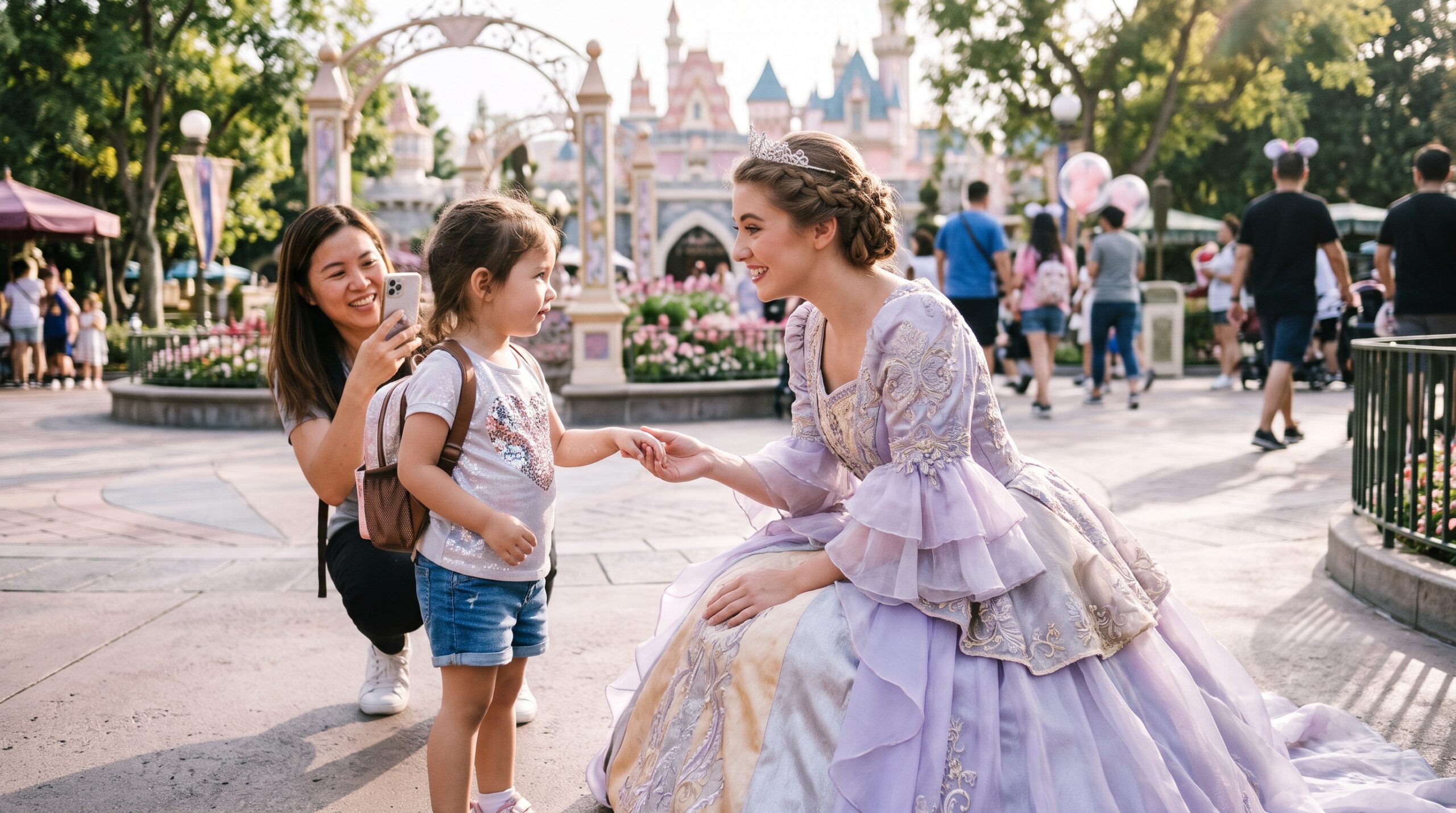
Designing Strategic Plans as Nonprofit Worldbuilding Blueprints
When Disney releases a new film, the narrative doesn’t end when the credits roll. A movie creates the emotional connection, the stakes, and the lore—it invites you to fall in love with a world. But Disney’s true genius lies in what happens next: they build a
Read More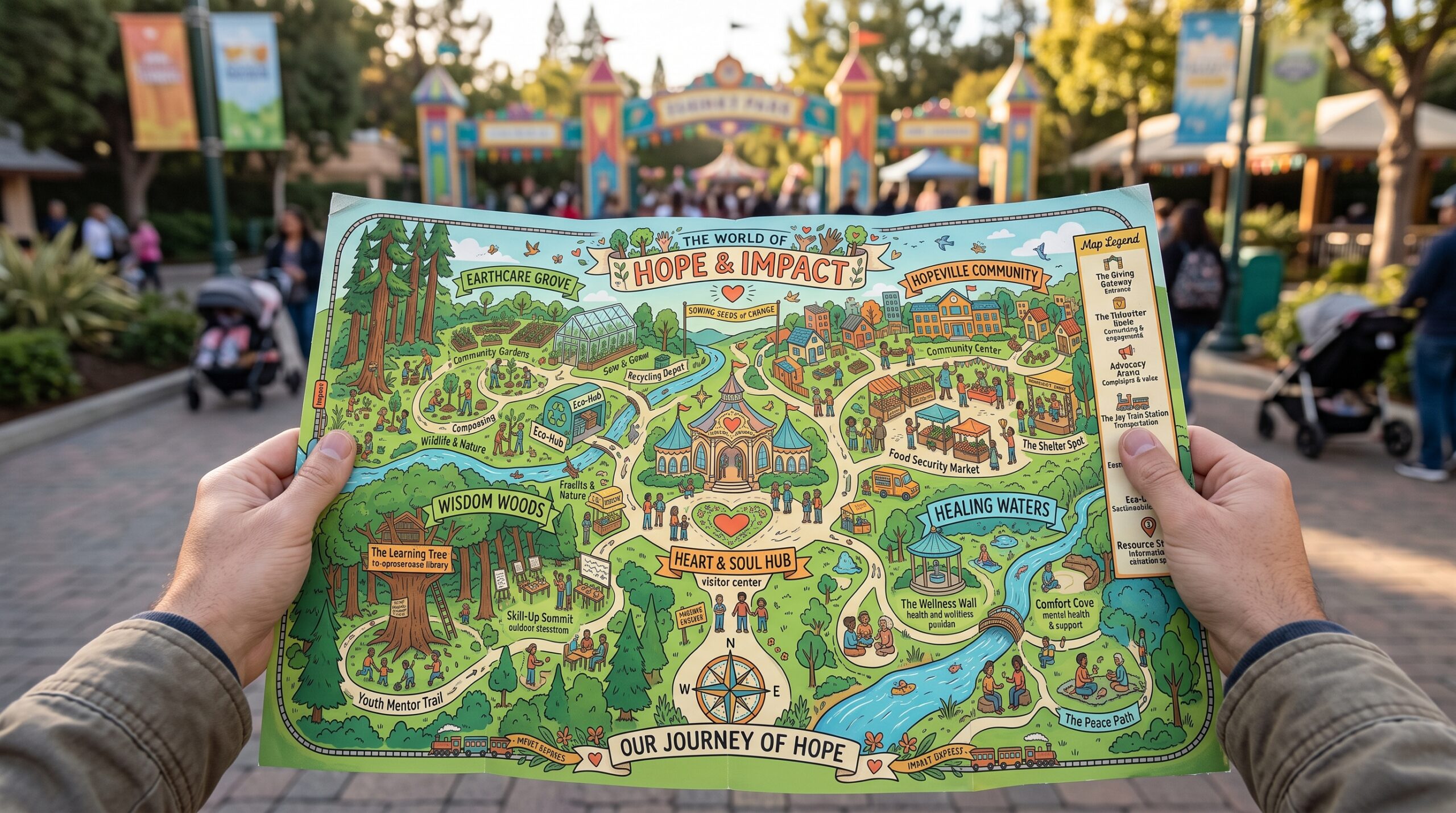
Turning Passive Readers into Active Park Guests
When a family buys a ticket to a Disney theme park, their relationship with the brand undergoes a fundamental shift. Outside the gates, they are audience members watching a story unfold on a screen. The moment they pass through the turnstiles under the train station, they
Read More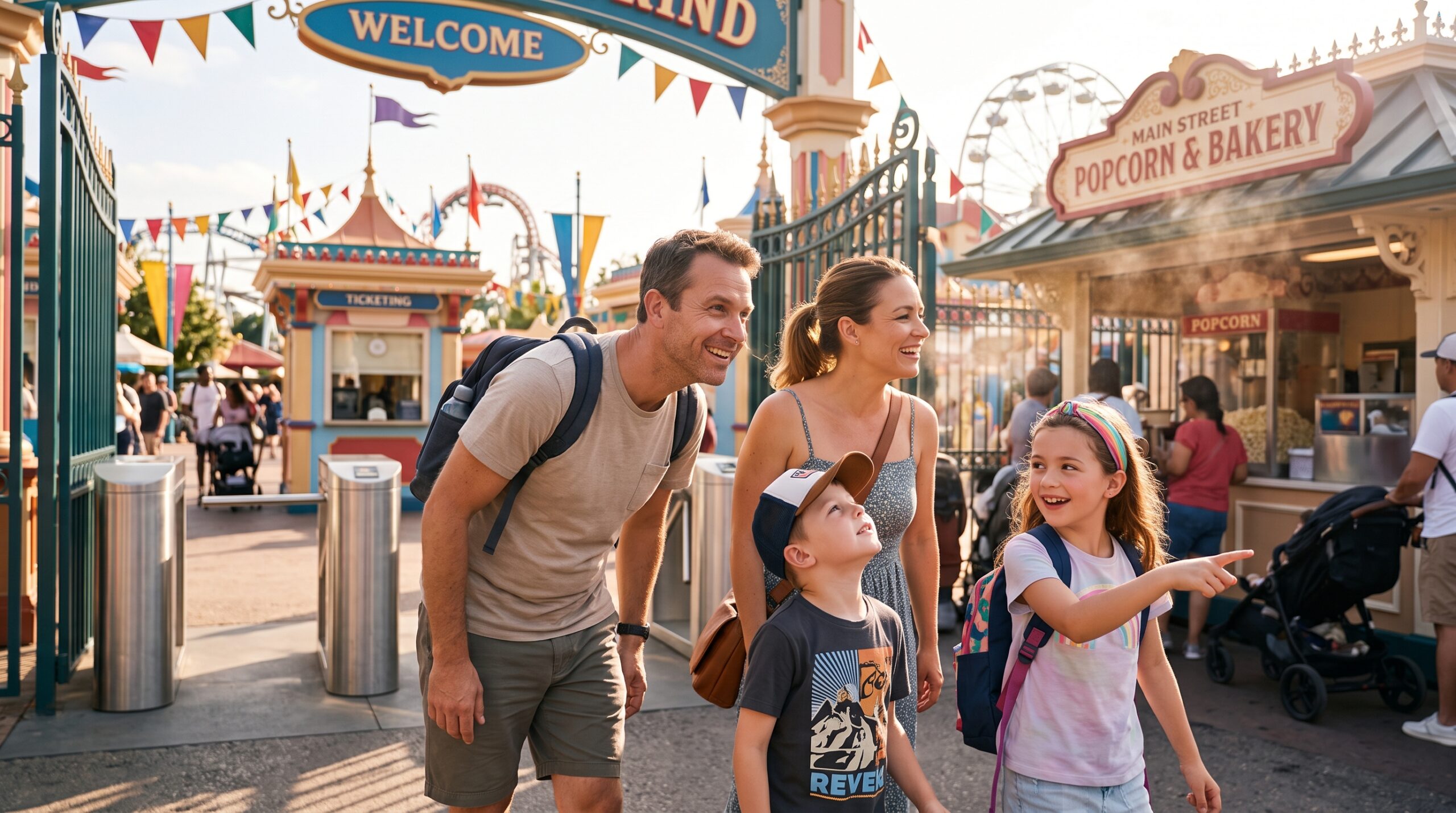
Sightlines & Smellitzers: Crafting Physical Events That Mirror Your Campaign Narrative
When a family steps through the turnstiles under the Disneyland Railroad trestle onto Main Street, U.S.A., something subtle yet powerful happens. The smell of fresh waffle cones and popcorn hits the air—pumped intentionally through hidden vents known as “Smellitzers.” The towering profile of Sleeping Beauty Castle
Read More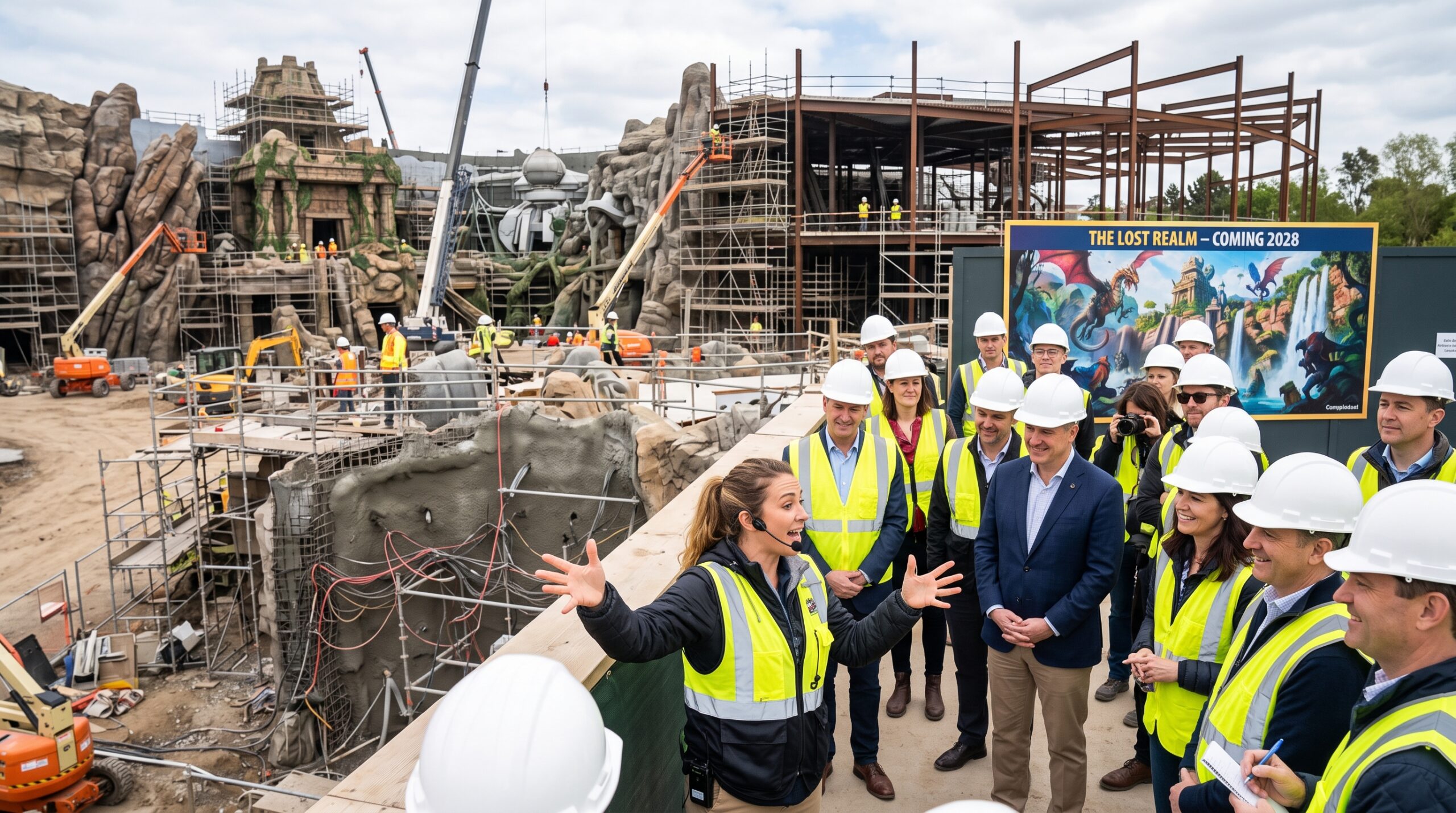
Transforming Major Gifts into “Land Expansion” Investments
In 2019, when Disney opened Star Wars: Galaxy’s Edge, guests weren’t just buying access to a park; they were stepping into an expansion of a universe decades in the making. Disney didn’t market the land by showing a ledger of concrete costs, steel tonnages, or wiring
Read More
Stop Selling Olive Oil, Start Planting Trees
When you buy a bottle of olive oil, you’re buying a commodity. When you adopt an olive tree in Tuscany, you’re buying connection, narrative, and identity. This campaign turns a simple transaction into an ongoing story: Personal Identity: A wooden tag with your name goes on
Read More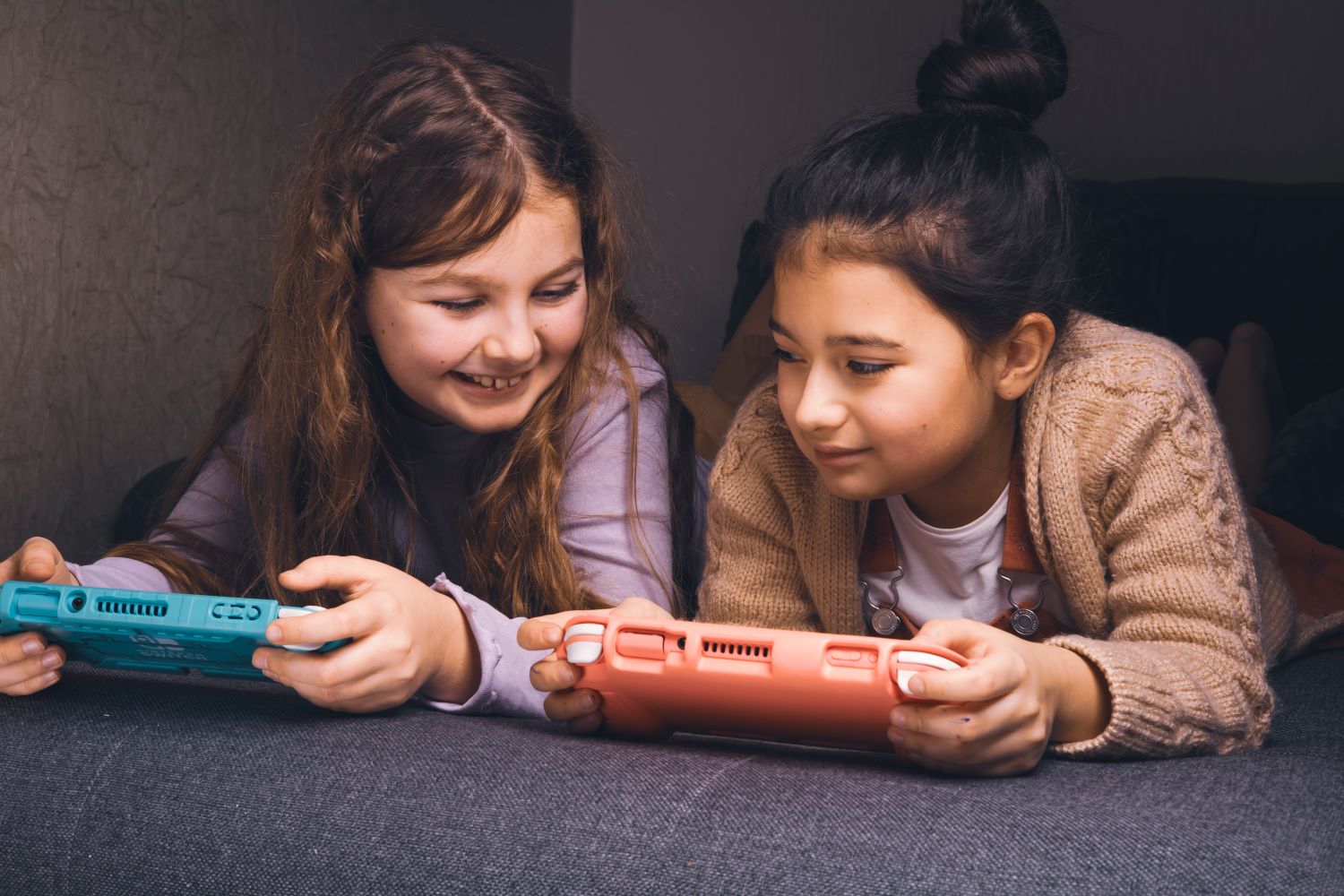
Press Start: Why Nonprofits Need to Play by Nintendo’s Rules
In 1983, the North American video game industry collapsed. Over-saturated with low-quality software and clunky hardware, the market shrank by nearly 90% in two years. Critics declared video games a passing fad. Then a Japanese company—originally founded in 1889 to make handmade Hanafuda playing cards—did something
Read More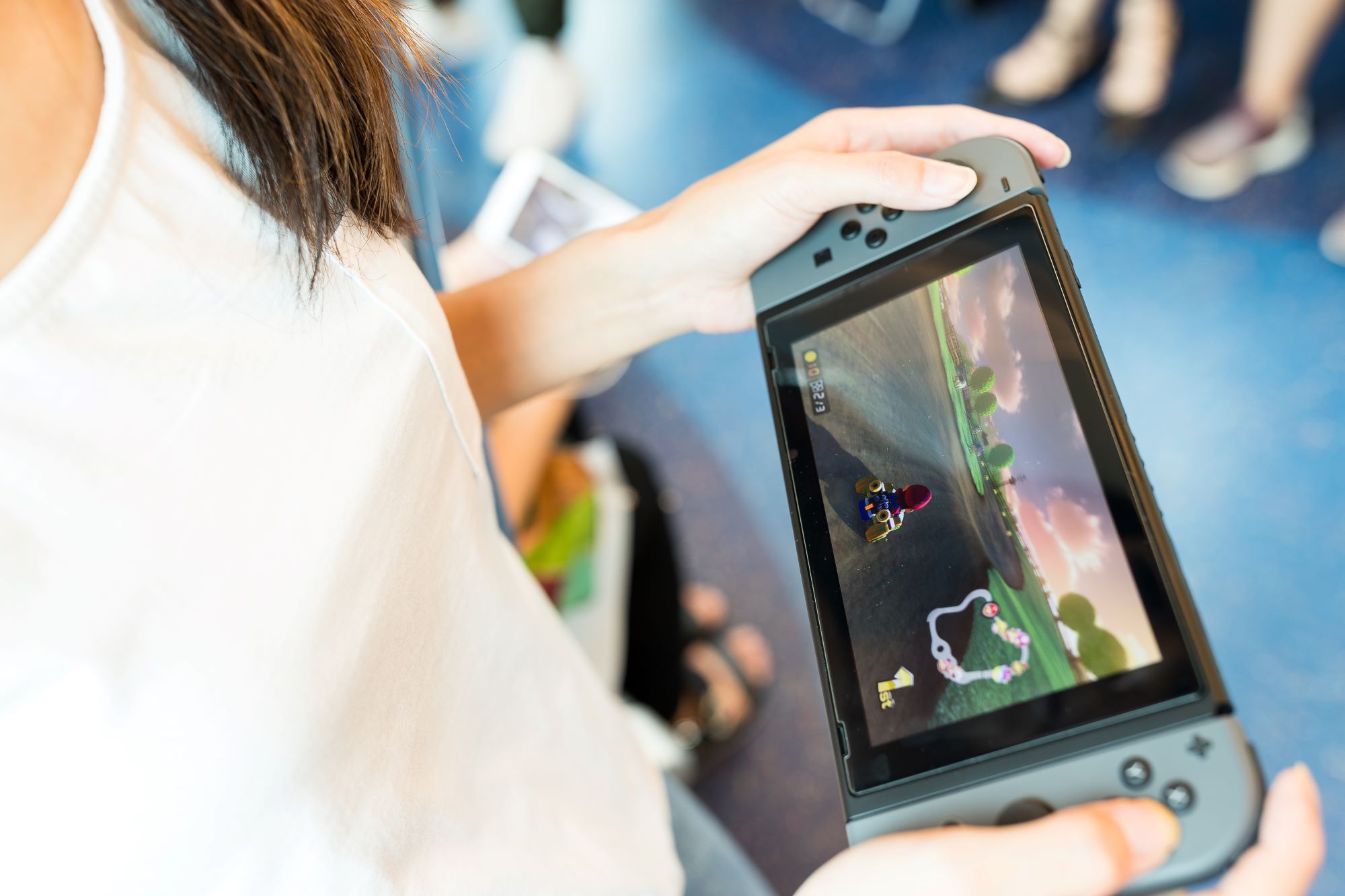
The Mario Kart Effect: Designing Events for Every Player
Since its debut on the Super Nintendo in 1992, Mario Kart has been the ultimate party game for one distinct reason: it bridges the gap between hyper-competitive experts and complete beginners. A eight-year-old playing for the first time can line up on the grid alongside a
Read More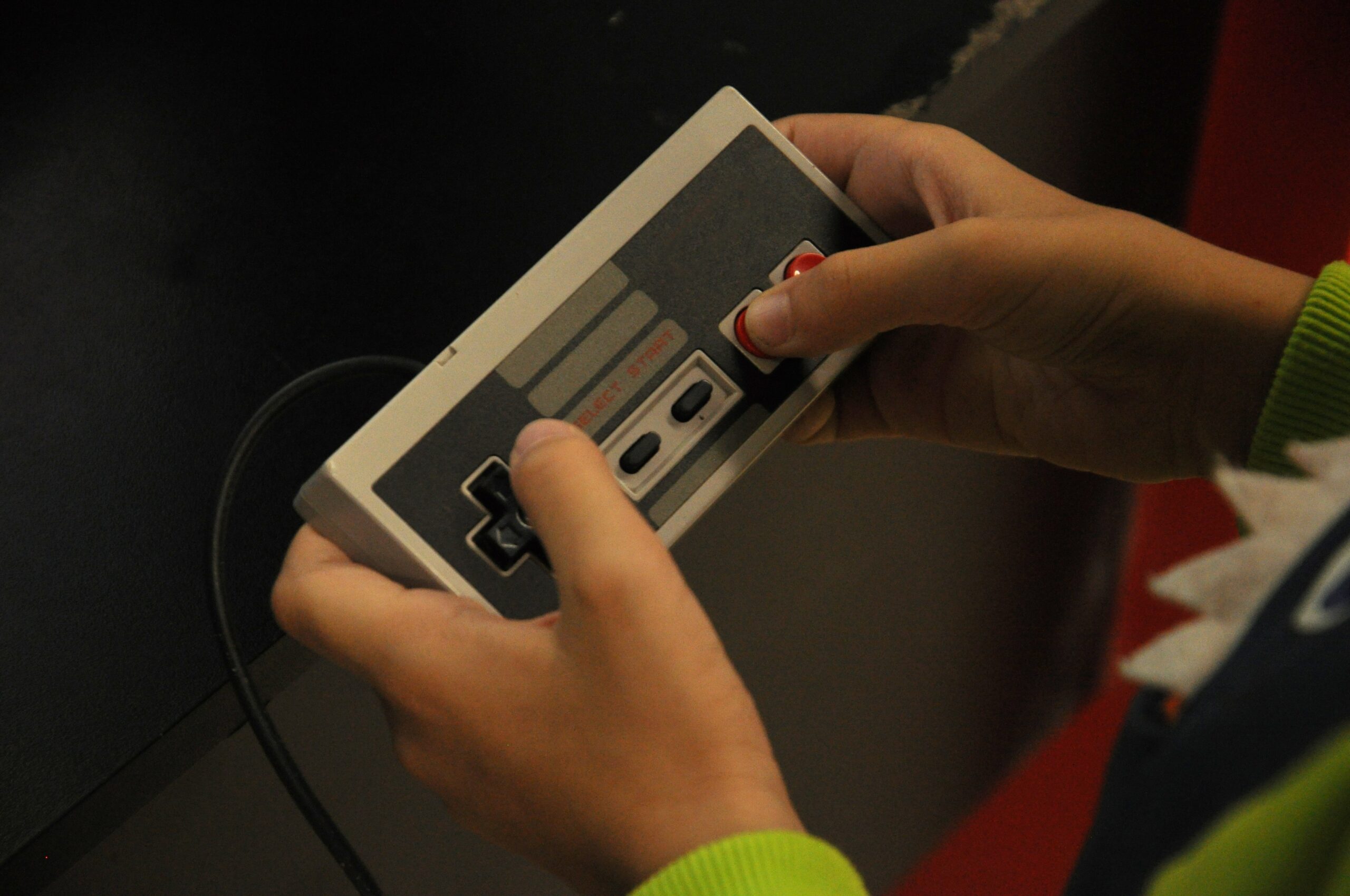
World 1-1: Teaching Donors to Play Without a Manual
In game design circles, World 1-1 of Super Mario Bros. is treated with sacred reverence. Released in 1985, the level contained no long-winded tutorial text, no pop-up prompts telling you to “Press A to Jump,” and no mandatory manual reading. Yet within roughly 30 seconds of
Read More
Nintendo’s Pivots of Kyoto: Rebranding, Innovation, and Staying Power in Nonprofit Communications
In 1889, in a quiet quarter of Kyoto, Fusajiro Yamauchi opened a modest shop to produce Hanafuda—traditional Japanese playing cards hand-drawn on mulberry bark. For decades, that was Nintendo’s identity. Had Nintendo remained rigidly loyal to playing cards alone, the company would likely be a footnote
Read More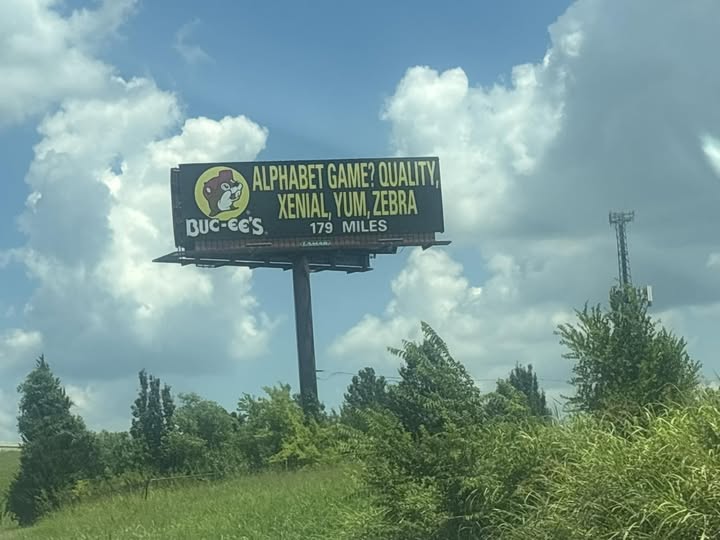
Start Meeting People Where They Are
If you’ve ever been stuck in road trip traffic, you know the desperate search for road signs starting with Q, X, and Z to finally win the alphabet game. Buc-ee’s masterfully taps into that exact shared experience with a cheeky billboard offering “QUALITY, XENIAL, YUM, ZEBRA”
Read More Fall Savings!