Walk into a traditional corporate supermarket, and you are immediately greeted by a paralyzing wall of data. The average grocery megastore carries roughly 40,000 different items. You stand in the cereal aisle staring at 75 variations of the exact same toasted oat, frozen in a state of decision paralysis.
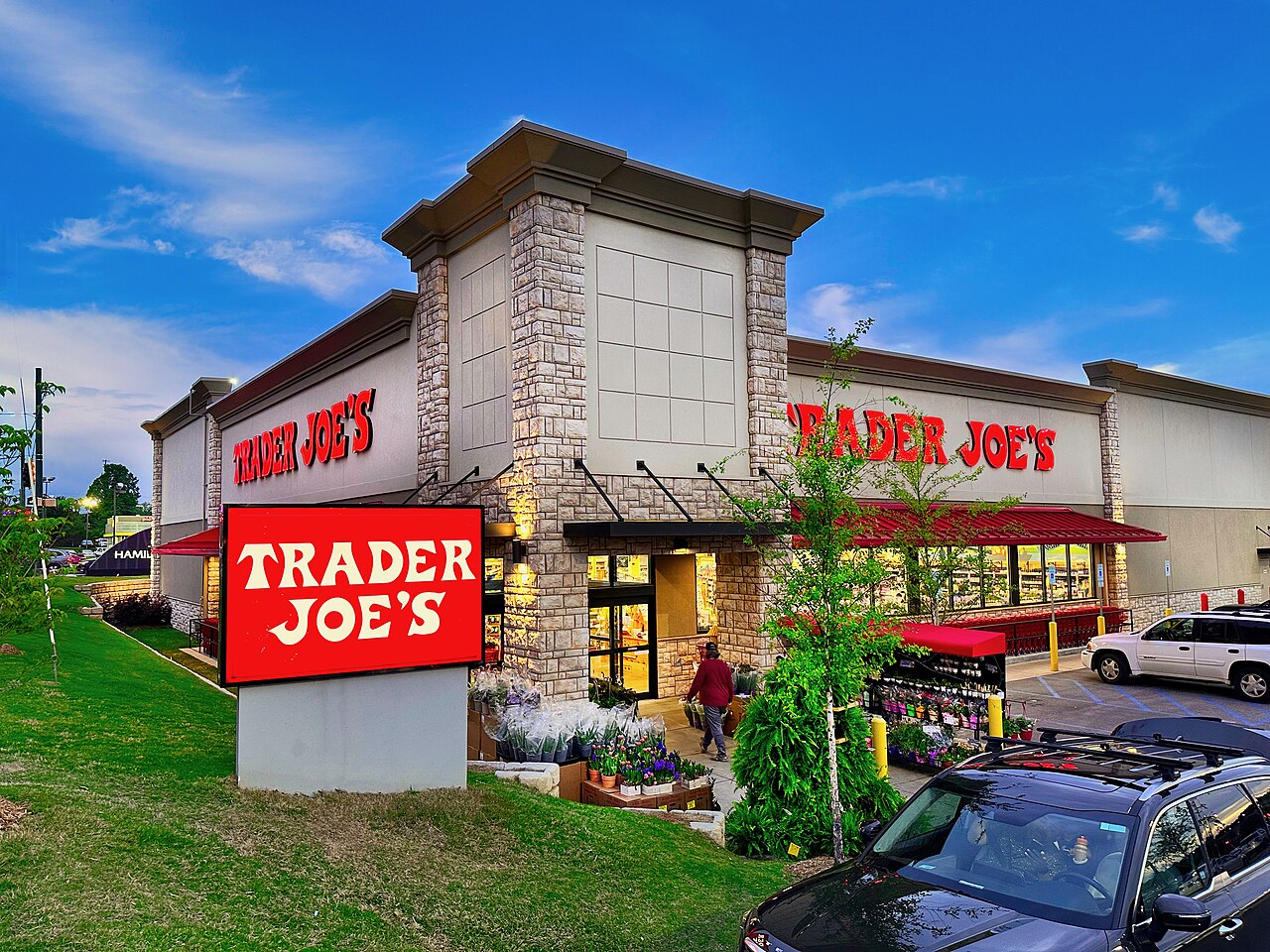
Now, walk into a Trader Joe’s. The store is deliberately small, the aisles are tight, and instead of 40,000 items, they carry closer to 4,000. You want peanut butter? They have a few highly curated, excellent options, and that’s it.
Trader Joe’s flies completely in the face of traditional retail wisdom by embracing a radical truth: less is more. They understand that choice overload doesn’t empower consumers; it paralyzes them. By strictly limiting their inventory, they eliminate friction, build massive brand loyalty, and make buying an effortless joy.
Meanwhile, the average nonprofit is suffering from a severe case of “Megastore Syndrome.”
Out of a deep desire to do good—or a fear of missing out on a grant—organizations allow their mission statements to bloat. They add a program here, an initiative there, a secondary advocacy wing over there, until they are trying to be a massive supermarket of services.
But when you try to offer everything to everyone, you end up standing for nothing to anyone.
The Paradox of Choice in Fundraising
Nonprofit leaders often think that presenting a donor with a massive, multi-page menu of giving options shows impact and scope. We want them to know we do advocacy, direct service, education, capital campaigns, and international relief all at once.
But behavioral psychology tells us a different story. When a donor is presented with a bloated menu of initiatives, their brain experiences a cognitive load. They start asking complex questions: Which program matters most? Is my money being split too thin? If I give to X, does Y suffer?
When choice becomes work, people step away. Trader Joe’s succeeds because they do the editing for the customer. They curate the selection so that any choice you make is a winning one. Your nonprofit needs to do the same for your donors. If you streamline the options, you clear the path to action.
The Design Parallel of the Clear Establishing Shot
In theme park design, Imagineers rely heavily on a concept known as the clear establishing shot. When you walk into a beautifully designed land, you aren’t hit with a cluttered mess of mismatched buildings, competing signs, and overlapping storylines. You see one singular, dominant visual focus—the Weenie—that tells you exactly where you are and what the story is about.
A great brand requires the same visual and conceptual discipline. If a guest can’t summarize what your organization stands for in a single sentence, your establishing shot is cluttered.
“Program creep” dilutes your core narrative. It turns your crisp, compelling theme park entrance into a messy, confusing strip mall.
Building Your Private Label Identity
More than 80% of the items on Trader Joe’s shelves are their own private label. They don’t just resell other people’s generic brands; they curate custom, specific products that you can only get at their stores.
To kill the megastore model at your nonprofit, you have to discover your own private label identity. You must find the one or two areas where your organization has an undisputed, unique superpower, and ruthlessly trim the rest.
The Megastore Approach “We are a community organization that provides youth mentoring, senior tech classes, local environmental cleanups, a community garden, and an annual arts festival.” (Result: Public confusion and exhausted staff.)
The Trader Joe’s Approach “We do one thing exceptionally well: we provide high-intensity academic mentoring for at-risk youth. Everything else we do is purely a tool to support that singular objective.”
Clean the Shelves This Week
Trimming your program menu is terrifying. It requires saying no to good ideas, letting go of legacy projects that no longer fit, and narrowing your focus. But constriction is the secret to expansion.
Take a look at your current website menu, your brochure, or your latest pitch deck:
Count your line items If you are asking a donor or member to understand more than three core pillars of work, you are running a megastore.
Ruthlessly curate Force your team to answer the ultimate Trader Joe’s question: If we were forced to remove 80% of our programs tomorrow to save the organization, which 20% would we keep because they are absolutely irreplaceable?
Stop trying to fill a 40,000-square-foot warehouse with every good cause under the sun. Clear the aisles, curate your best work, and give your community a highly focused, irresistible mission they can easily understand, love, and fund.
featured image: By Harrison Keely – Own work, CC BY 4.0
 Summer Savings!
Comments are closed