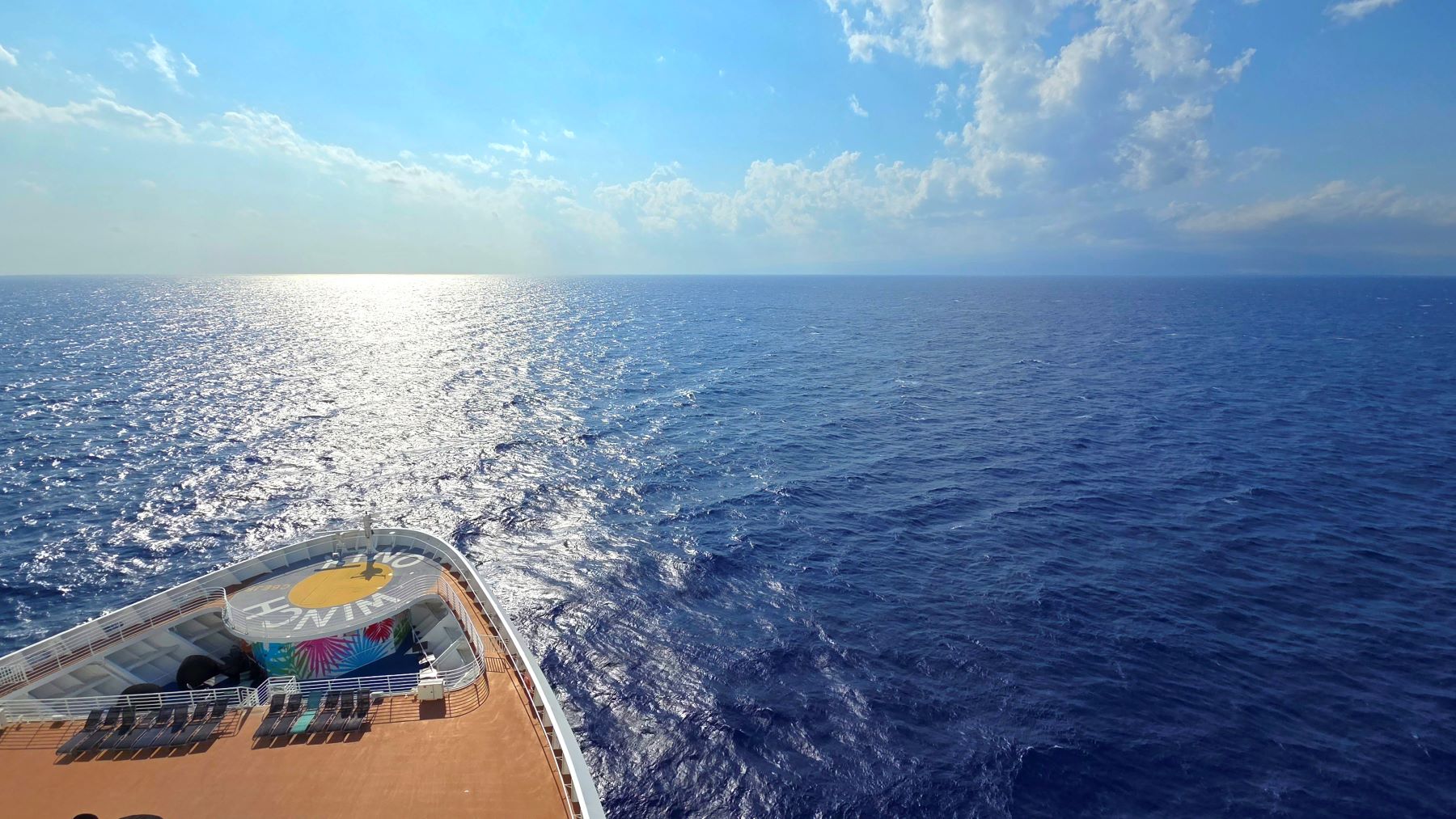
I just returned from a bucket list, once-in-a-lifetime trip to Italy with my wife and two teenage sons. And let me tell you… it was a mountain range of emotions: the buzz of anticipation as we packed the bags and researched the destinations, the chaotic energy of travel day, the sudden mid-trip wall of exhaustion when we realized the heat and humidity were far worse than we thought they would be, and that bittersweet feeling of pulling back into your own driveway—relieved to be home, but entirely wiped out.
Every vacation has a distinct emotional lifecycle. And if you look closely at your nonprofit, you’ll realize your organization moves through the exact same cycles every single year.
Whether you are launching a capital campaign, hosting your signature gala, rolling out a strategic plan, or executing an annual membership drive, we design our work around big destinations. But too often, leaders only focus on the destination itself, ignoring the psychological mechanics of the journey.
Understanding how human energy flows through a major undertaking—and applying the lessons of the family travel lifecycle—can transform how we lead our teams, engage our supporters, and sustain our missions over the long haul.
1. The Pre-Trip Buzz: Tapping Into Anticipation
The weeks leading up to a major trip are often filled with as much joy as the trip itself. Research in behavioral economics bears this out: anticipation is a powerful engine of human happiness.
In the nonprofit world, we often underutilize this phase. We treat the ramp-up to a major campaign or event as pure operational grunt work to be suffered through in private before a big public reveal.
Build excitement before execution: Don’t just announce a program when it’s 100% finished. Involve your staff, board, and donors in the countdown. Share behind-the-scenes teasers, early drafts, and planning milestones.
Give people a role in the itinerary: When travelers help choose the stops on a road trip, they are far more patient when traffic hits. Solicit input early from stakeholders so they feel ownership of the destination.
2. The Mid-Trip Meltdown: Managing the Slump
Every family vacation hits a wall. It’s usually 3:00 PM on Day 3. It’s 90 degrees out, everyone’s feet hurt, and the initial excitement has worn off.
In organizational life, this is the mid-campaign slump or the year-two doldrums of a three-year strategic plan. The launch energy has evaporated, the finish line is still far away, and people start complaining or disengaging.
Normalize the slump: When a campaign stalls or team energy dips, don’t panic or yell louder. Acknowledge that the middle stretch of any worthwhile journey is hard.
Focus on distance covered: Stop telling tired people how many miles are left to walk. Remind them how far you’ve already come from the starting line.
Take scheduled rest stops: You can’t sprint through a marathon. Build intentional pauses, team check-ins, and mini-milestones into long campaigns to give people a chance to catch their breath.
3. The “Gala Hangover”: Preventing Post-Event Drop-off
There is a very specific type of exhaustion that hits the Monday after a major event, capital launch, or fiscal year-end. You’ve emptied the tank, the tent is packed up, and everyone returns to their desks.
This is where many nonprofits make a critical strategic error: they either immediately jump into the next high-stress deadline without breathing, or they go completely radio silent with their donors and staff for two months while recovering.
Design for the aftermath: Build a dedicated 14-day post-event plan before the event happens. Draft your thank-you communications, steward reports, and staff debriefs in advance so they don’t require heavy lifting when everyone is drained.
Protect your team: Give staff explicit time to rest and reset after major pushes. Preventing turnover in development and program roles starts by respecting the recovery period.
Capitalize on the post-trip glow: Donors and volunteers are most receptive in the days immediately following a positive experience. Send impact updates and genuine gratitude while their connection is still warm.
4. Packing the Souvenirs: Retaining the Value
The ultimate goal of a great family trip isn’t just to cross off landmarks; it’s to build shared memories that strengthen the family bond for years to come. The souvenirs on the fridge and the photos on the wall serve as permanent anchors to that experience.
When your organization finishes a major campaign or milestone, don’t just archive the files and move on to the next task list:
Archive the wins: Create tangible “artifacts” of your work—impact summaries, video montages, or commemorative booklets—that give staff and donors a lasting feeling of pride.
Tell the story repeatedly: Revisit your past successes in board meetings and newsletters. Remind your community of what you are capable of accomplishing together.
Nonprofit work, like family life, is not a series of disconnected transactions—it is an ongoing journey. When we design our campaigns, fundraising, and communications around the natural rhythms of human energy, we build organizations that don’t just reach their destinations, but actually enjoy the ride.
 Fall Savings!
Comments are closed