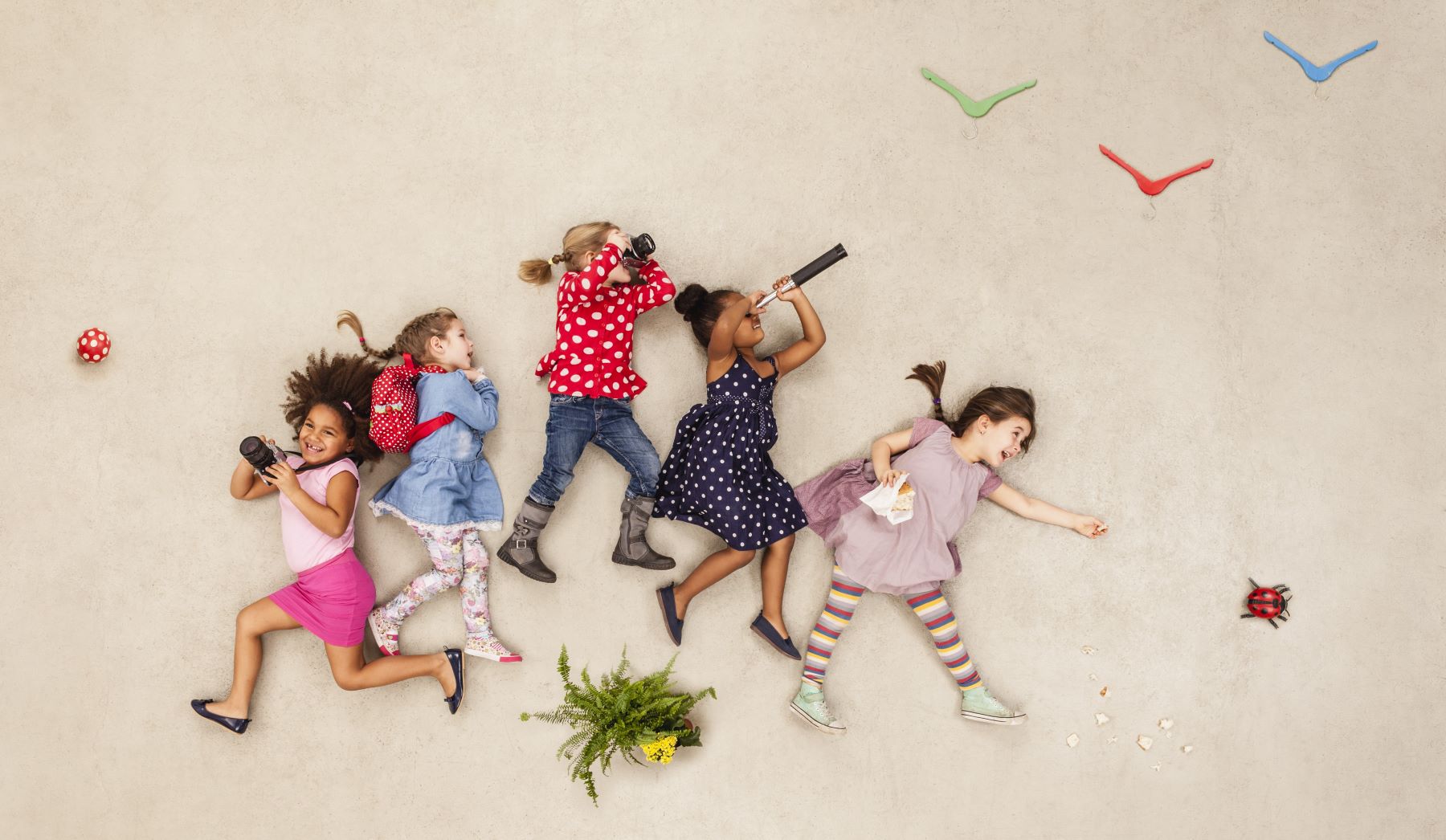
Walk down Main Street, U.S.A. at Disneyland and you’ll notice something curious: the shop windows sit lower than in a normal town. This wasn’t a mistake. Walt Disney insisted that even the smallest children should be able to press their noses against the glass and see the magic inside.
That simple design choice reveals a profound lesson: when we design for children — for the smallest, least powerful, or most easily excluded — we create experiences that work better for everyone. It’s a principle that reaches far beyond theme parks. Nonprofits, too, can benefit from designing their programs, communications, events, and fundraising with accessibility, curiosity, and delight at the center.
Too often, nonprofit work is unintentionally built for insiders. Events may assume guests already know how to navigate them. Marketing messages may be filled with jargon that alienates newcomers. Fundraising programs may feel intimidating, signaling that giving is only for the wealthy or the long-time donor. But when we look through a child’s eyes, we start asking the questions that matter: Is this easy to understand? Can anyone participate? Will it spark joy and curiosity?
Three Core Lessons from Designing for Children
Clarity matters
Children don’t have patience for confusion, and neither do adults who are new to your organization. If a child can understand your message, so can a busy parent, a first-time donor, or a new member. This principle is at the heart of Kid-Friendly Marketing: How to Make Your Nonprofit Communications Clear, Simple, and Engaging.In practice, clarity means stripping away jargon, breaking messages into digestible pieces, and using visuals to tell the story. It’s about making your mission immediately understandable. A compelling story, explained in plain language, invites curiosity instead of leaving potential supporters frustrated or overwhelmed.
Inclusion creates belonging
Designing for the least likely participant ensures that everyone feels welcome. In fundraising, this means creating pathways for participation at all levels. Lowering the Giving Window: Making Philanthropy Approachable for All explores how micro-giving, recurring gifts, and thoughtful recognition of all donors — not just the largest — empower people who might otherwise feel excluded.Inclusion also extends to the social and logistical aspects of your programs. Events should be accessible to people with different abilities, schedules, and comfort levels. Membership programs should provide multiple engagement points so newcomers don’t feel like outsiders. When your programs are inclusive, they generate stronger, more diverse communities.
Joy sparks engagement
Children are drawn to wonder and playfulness, and nonprofits can harness the same principle to build meaningful connections. Even small touches — a surprising element in an event, a playful social media post, or an unexpected member perk — can spark delight.The View from Down Here: Designing Events Everyone Can Enjoy shows how small, intentional design choices make a big difference. Whether it’s thoughtful signage, spaces for quiet reflection, or playful interactive elements, these details ensure that every participant feels included and engaged. Joy is not frivolous; it’s the glue that keeps people coming back.
Bringing It All Together
Designing for children teaches nonprofits a fundamental truth: experiences should be welcoming, intuitive, and delightful. When you focus on clarity, inclusion, and joy, you create programs, communications, and events that are not only more accessible but also more effective.
Consider the cumulative impact: marketing that is immediately understandable invites more people to engage. Fundraising that feels approachable inspires more supporters to give. Events that are playful and inclusive keep communities coming together again and again. Each area reinforces the others, creating a culture of generosity, connection, and belonging.
This mindset doesn’t require large budgets or extravagant redesigns. It starts with perspective. Ask yourself: If a child walked in today, what would they see? What would they understand? What would make them excited to participate? Answering these questions can transform the way you approach every aspect of your work.
Disneyland’s low windows aren’t just about children — they’re about creating a space where everyone can see themselves in the story. For nonprofits, designing through a child’s eyes means crafting experiences that are understandable, welcoming, and joyful. It’s a simple but powerful framework: when you design for the smallest, you build something better for all.
From marketing to fundraising to events, this approach can guide your strategy, inspire your team, and help your community thrive. Clarity, inclusion, and joy aren’t just principles — they’re pathways to meaningful engagement that lasts.
 Winter Savings!
Comments are closed