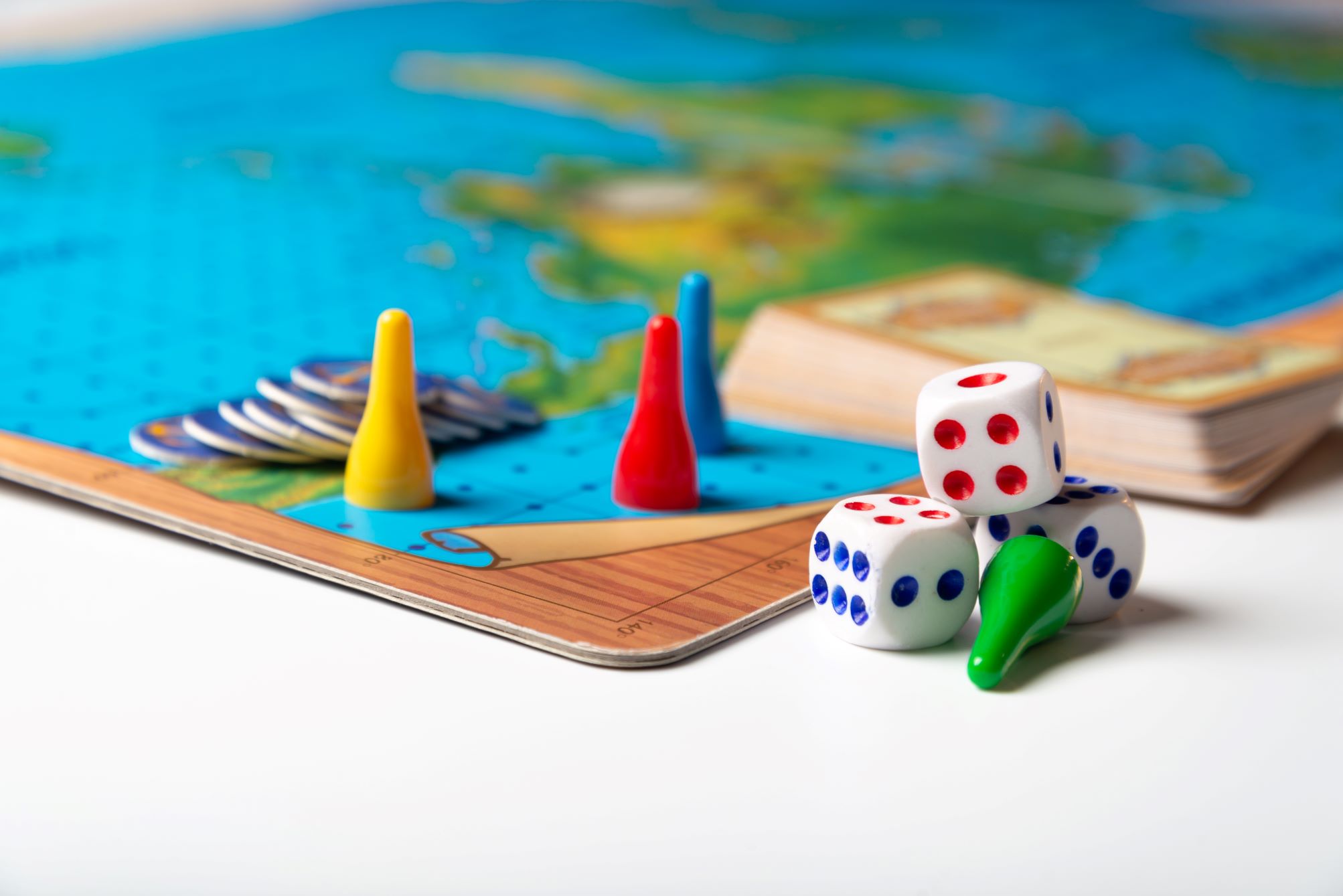
Imagine if your nonprofit’s programs were as irresistible as your favorite game. Those of you who read The Nonprofit Imagineers book know that (spoiler alert) the happy ending is based largely on gamifying the experience of supporting a nonprofit.
If supporters lined up to volunteer like gamers waiting for a new release.
If your annual fundraiser had the same pull as the next level in Zelda or a late-night round of Catan.
It’s not as far-fetched as it sounds.
Game designers are masters of motivation. They build worlds that captivate people for hours—not with manipulation, but with smart psychology, engaging systems, and a deep understanding of what drives human behavior. Nonprofits, with our missions to change the world, can borrow more than a few pages from that playbook.
Let’s explore how thinking like a game designer can help nonprofits create programs, events, and engagement strategies that inspire action, build loyalty, and leave people wanting more.
1. Clear Objectives & Immediate Feedback: The Game Loop
Every good game starts with a clear goal.
Whether you’re rescuing a princess, solving a mystery, or building a civilization, you know what you’re trying to do—and every small action moves you toward that goal.
In nonprofit work, we often focus so heavily on big goals (end hunger, cure disease, build community) that supporters lose sight of what their next step should be. Game designers use a feedback loop—action, result, reward—to keep players moving forward with confidence.
Try this:
Break large goals into smaller, winnable missions.
Provide immediate acknowledgment: a thank-you message, badge, or story of impact.
Use progress bars or trackers (donation meters, goal counters, etc.) to make success visible.
2. Onboarding Like a Pro: Make First Steps Easy and Fun
No one drops a new player into the middle of the final boss battle.
Games ease players in—teaching one mechanic at a time, celebrating small wins, and building confidence.
Nonprofits, by contrast, sometimes ask new supporters to commit too much too soon: Attend a gala! Join a committee! Become a monthly donor!
Instead, consider a game-like onboarding experience:
Start with low-barrier actions (e.g., watch a video, share a post, join a mailing list).
Offer a “tutorial” experience for volunteers or donors with step-by-step guidance.
Reward early engagement to build momentum.
3. Motivation by Design: Intrinsic, Extrinsic, and Social
Good games appeal to different kinds of motivation:
Intrinsic: I want to beat the level because it’s satisfying.
Extrinsic: I want the prize, badge, or high score.
Social: I want to play with friends or show off my skills.
Nonprofits should ask: What kind of motivation are we tapping into?
Ideas to implement:
Use storytelling and impact updates to drive intrinsic motivation.
Provide perks, recognition, or rewards to encourage extrinsic motivation.
Build community through leaderboards, shoutouts, or peer-to-peer challenges to amplify social motivation.
4. Structure for Flow: Keep People in the Zone
Game designers create “flow” by balancing challenge and skill: hard enough to be interesting, but not so hard it’s frustrating.
Think of your programs or engagement activities as a series of challenges that increase in complexity as people get more involved.
For example:
New volunteer? Start with a shadow shift.
Returning donor? Invite them to join a giving circle.
Longtime member? Let them lead a peer onboarding session.
Flow keeps people engaged, learning, and excited—not overwhelmed or bored.
5. Design for Replayability and Mastery
People return to games they can’t master in one sitting. They come back for new quests, harder challenges, deeper levels.
Nonprofits should think the same way.
Are your events one-off moments, or are they gateways to deeper involvement? Do your campaigns build on one another, or feel like isolated asks?
Design for return visits. Offer:
“Advanced levels” of volunteering or giving
Annual missions or cause-based quests
Skill-building tracks for ongoing leadership
The more someone grows with you, the more invested they become.
Bonus: Build a World Worth Exploring
What do Hyrule, Hogwarts, and Wakanda have in common?
They feel immersive. Believable. Designed with love and intention.
Your nonprofit might not be building a fantasy realm—but you are building a community, a culture, and an experience. Every touchpoint, from your emails to your event signage, tells part of your story.
Ask yourself: Is our “world” inviting, cohesive, and exciting to explore?
Final Thought: Don’t Just Tell a Mission—Design an Experience
Thinking like a game designer doesn’t mean turning your nonprofit into an arcade. It means designing with the user in mind. Creating systems that motivate, reward, and engage. And remembering that people aren’t just donors or volunteers—they’re players in your story.
So the next time you launch a program or campaign, pause and ask:
If this were a game, would anyone play?
Because if the answer is yes—they’ll probably come back for more.
 Winter Savings!
Comments are closed