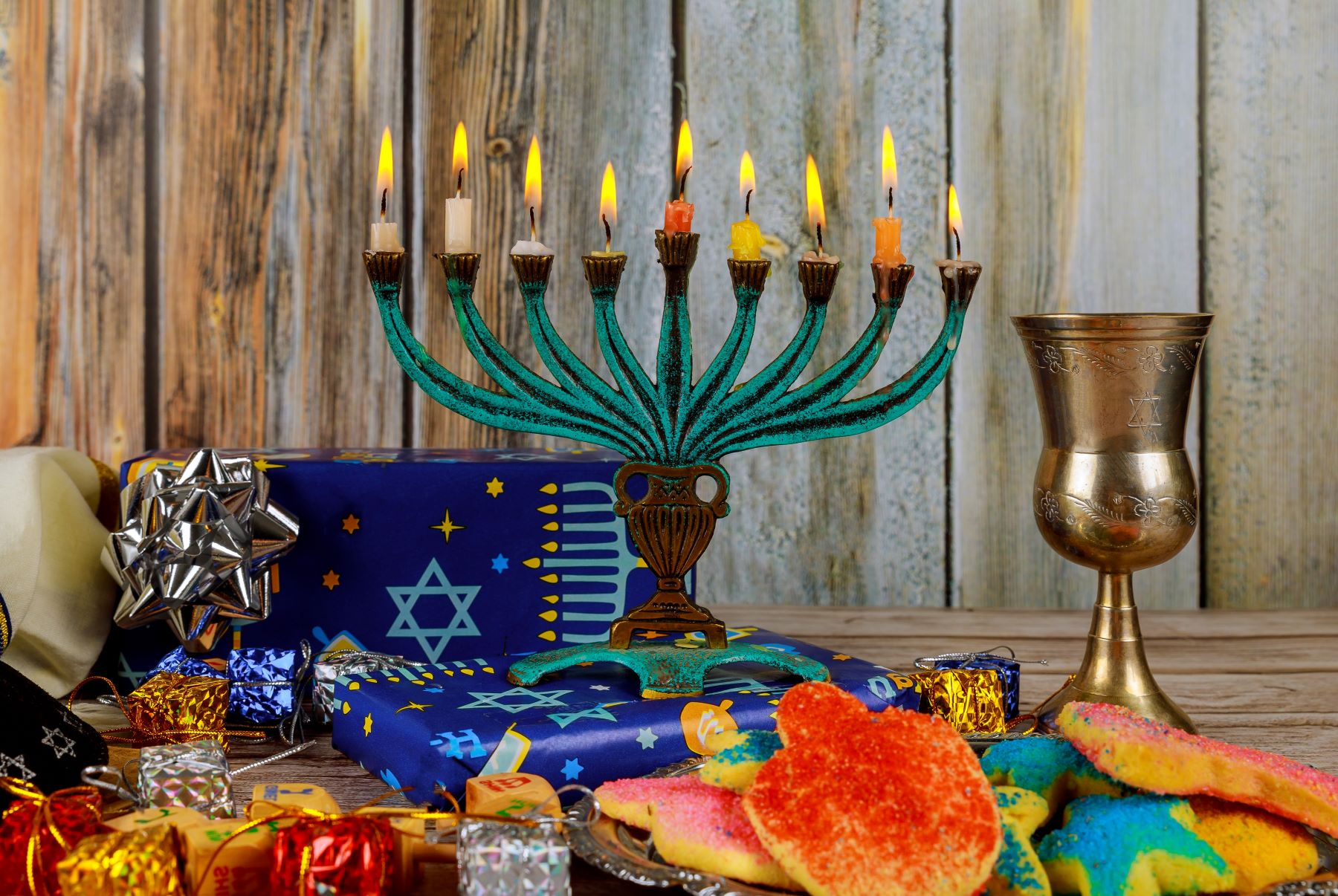
Hanukkah is not a holiday built around a single moment.
It has no grand finale and no requirement to experience it all at once. Instead, it unfolds through small, repeatable actions over time. A candle lit each night. A modest gift exchanged. A shared meal around a table.
That structure is the lesson.
Hanukkah has endured not because of spectacle, but because it is designed around how people actually build meaning.
Meaning Comes From Participation, Not Explanation
Hanukkah does not rely on long explanations to communicate its values. It relies on rituals people can do. Lighting candles. Giving gifts. Eating together.
The actions carry the meaning.
Nonprofits often default to explanation. We describe our mission, outline our impact, and hope people will feel connected as a result. Hanukkah suggests a different approach. People understand what they participate in.
This is why the Hanukkah candles offer such a powerful lesson for marketing and communications. Visibility and consistency matter more than volume. When a message is clear and repeated, it becomes familiar. Familiarity builds trust.
Small Acts Repeated Over Time Build Attachment
A single candle is modest. A small gift is simple. A plate of fried food is ordinary.
But repetition changes how these actions are experienced. Over time, they become expected. Anticipated. Missed when absent.
This is where many nonprofits struggle. We concentrate our energy on big campaigns and major moments, hoping they will carry lasting meaning. Hanukkah shows that endurance comes from accumulation, not intensity.
That insight is especially relevant to fundraising and development. Hanukkah gift giving reminds us that generosity is relational. It is built through recognition and repeated acts of giving, not one dramatic ask.
Joy Is a Strategy, Not a Side Effect
Hanukkah is joyful by design. Fried foods, shared tables, informal gatherings. None of this is strictly necessary to tell the story of the holiday. And yet, without them, the story would not last.
Joy keeps people coming back.
For nonprofits thinking about engagement and events, this matters. People do not return because an event was well organized. They return because it made them feel good to be there. Participation, not programming, is what creates belonging.
What Hanukkah Gets Right
Hanukkah works because its elements reinforce one another. The light is visible. The gifts are relational. The food is joyful and shared.
Together, they create an experience that feels human rather than instructional.
The takeaway is not to copy the rituals, but to understand the design behind them. Meaning lasts when it is built through consistent visibility, repeated generosity, and shared joy.
Three Questions to Carry Forward
Where could your organization replace explanation with participation?
Which small actions could be repeated more intentionally to build familiarity and trust?
How clearly do people experience joy, generosity, and visibility when they encounter your work?
Hanukkah reminds us that lasting meaning is not delivered all at once.
It is designed, one small act at a time.
 Winter Savings!
Comments are closed